
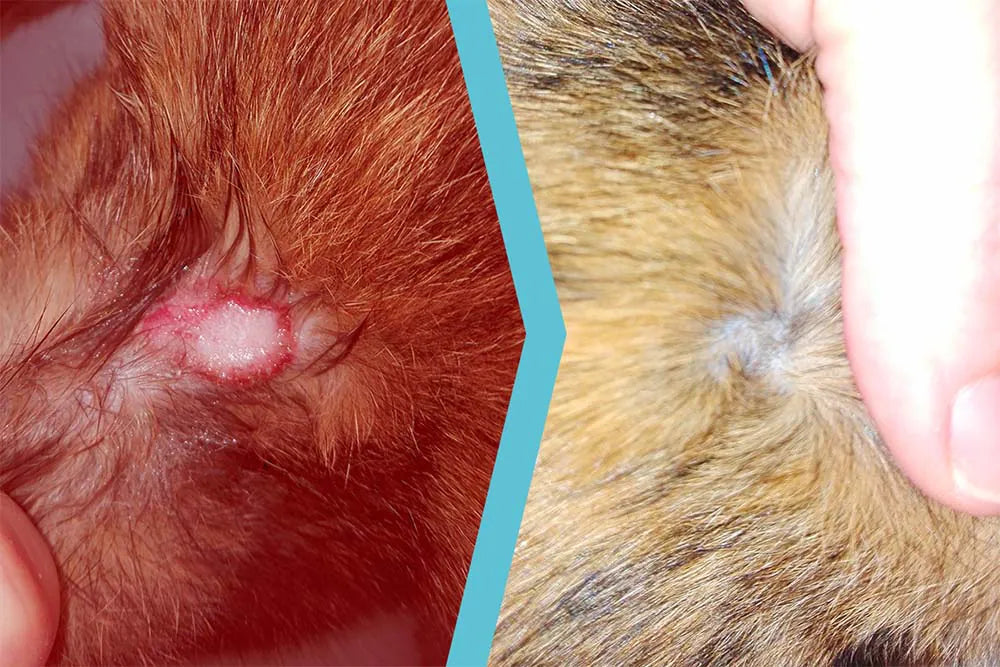
Cat with Mycosis

Species and breed
European cat

Diagnosed condition
Mycosis, with a rounded lesion, alopecic erythematous/crusty at the base of the neck.

Name
Ivana

Aloeplus products used and dosage
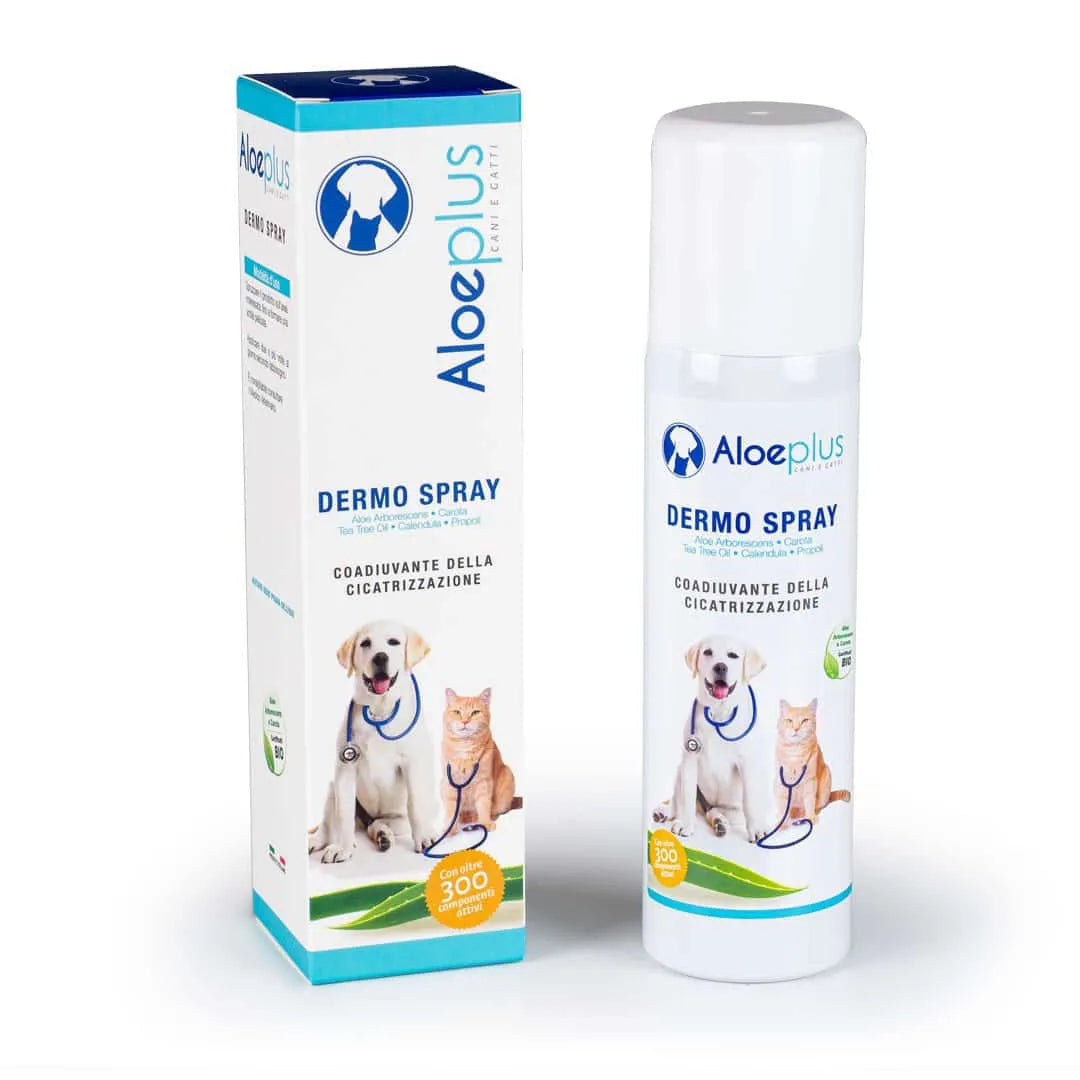
Aloeplus® Cicatril Pet (Dermal spray)
2 applications daily
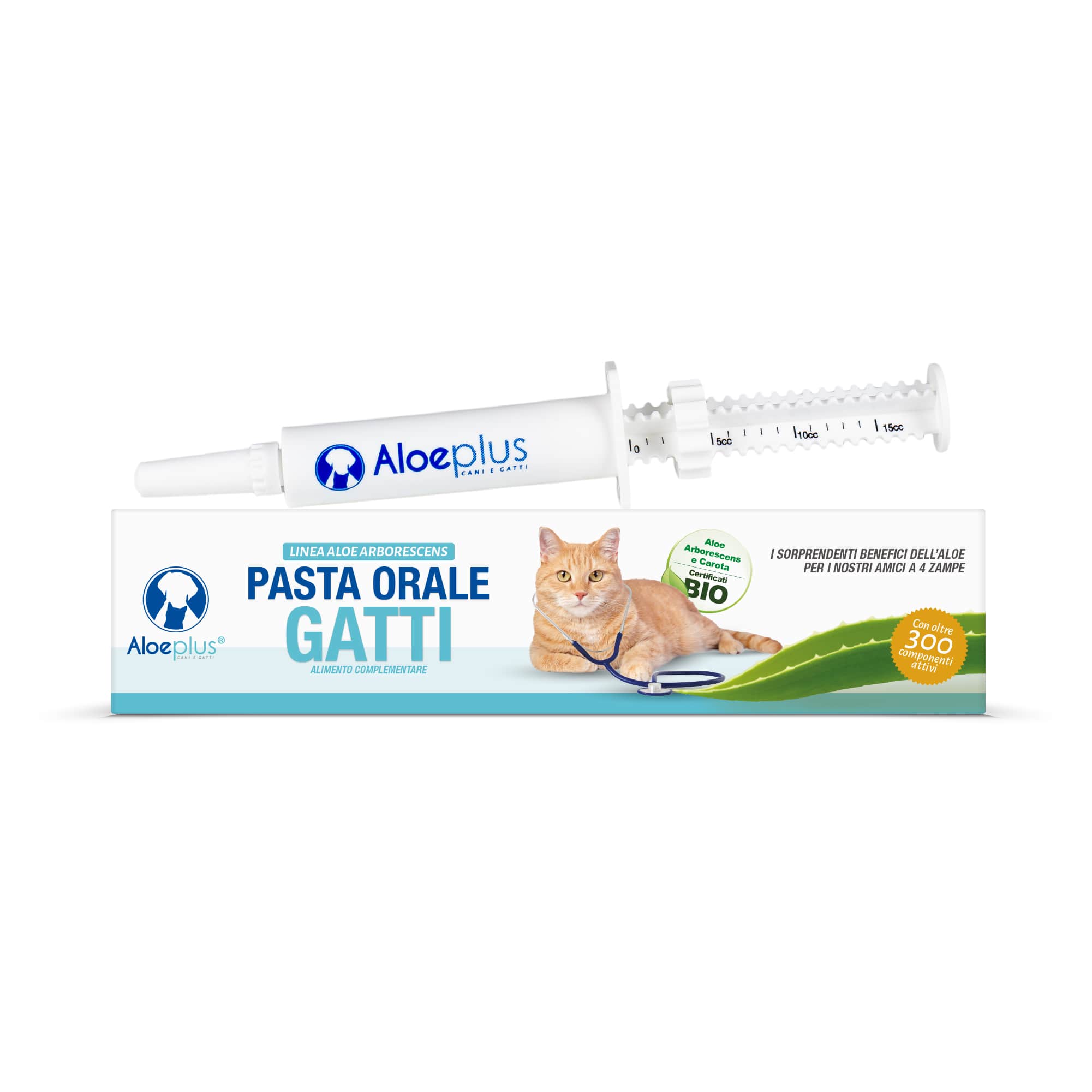
Aloeplus® Oral Paste for Cats
2 ml per day

Age
10 months

Veterinarian
Dr. Cristina Calabria

Other products used
No one

Clinic
The veterinary clinic “From 0 to 4 Paws” – Marigliano (Na)
In-depth analysis of the diagnosed condition:
Cutaneous mycosis is a disease caused by dermatophytes, which are microscopic filamentous fungi that feed on the keratin found in hair and on the skin surface. This disease most often affects young and/or debilitated individuals. It usually appears as typical round alopecic lesions, meaning circular areas of the coat without hair, where the skin appears covered with more or less abundant dandruff. At the edge of these lesions, the hair appears broken and detaches very easily. Itching, normally absent, is one of the characteristics that helps differentiate this disease from other skin lesions.
Cutaneous mycosis can manifest in various parts of the cat’s coat. It is often found on the outer surface of the ear pinnae. This infection is easily “carried” by the cat to other areas of its coat, so it often happens that, in the case of fungal lesions on the ear pinna, there are simultaneously others on the front paws or the tips of the hind paws. This transfer occurs during the cat’s ritual daily “grooming.”
The alarm surrounding cutaneous mycosis arises from the fact that the infection can be transmitted from the cat to humans. This also happens when the cat can sometimes be a healthy carrier of cutaneous mycosis and, despite not showing clinical symptoms, can infect people and other animals it lives with. When there is suspicion of infection, it is important to consult not only the trusted veterinarian but also a dermatologist, who will prescribe the most appropriate treatments.
Let’s read Dr. Calabria’s report on this clinical case:
Detailed report
Ivana was brought in for examination on February 17 due to a round, alopecic lesion with erythematous-crusty margins at the base of the neck, present for one week. The owner reports little itching.
Parasite prevention is up to date, and the cat follows a commercial diet. Since the E.O.G. was normal,
I performed a Scotch test which was negative; however, the Trichogram was positive, as it showed the presence of infected hairs in which the cortex and medulla (hair shaft region) could not be distinguished because they were invaded by small transparent, round structures (arthroconidia) arranged in chains.
Based on the dermatological examination, I diagnosed Mycosis and started treatment with Aloeplus Oral Paste and Dermo Spray.
After 4 days, the peripheral edge was already less crusty and much of the erythematous area had disappeared.
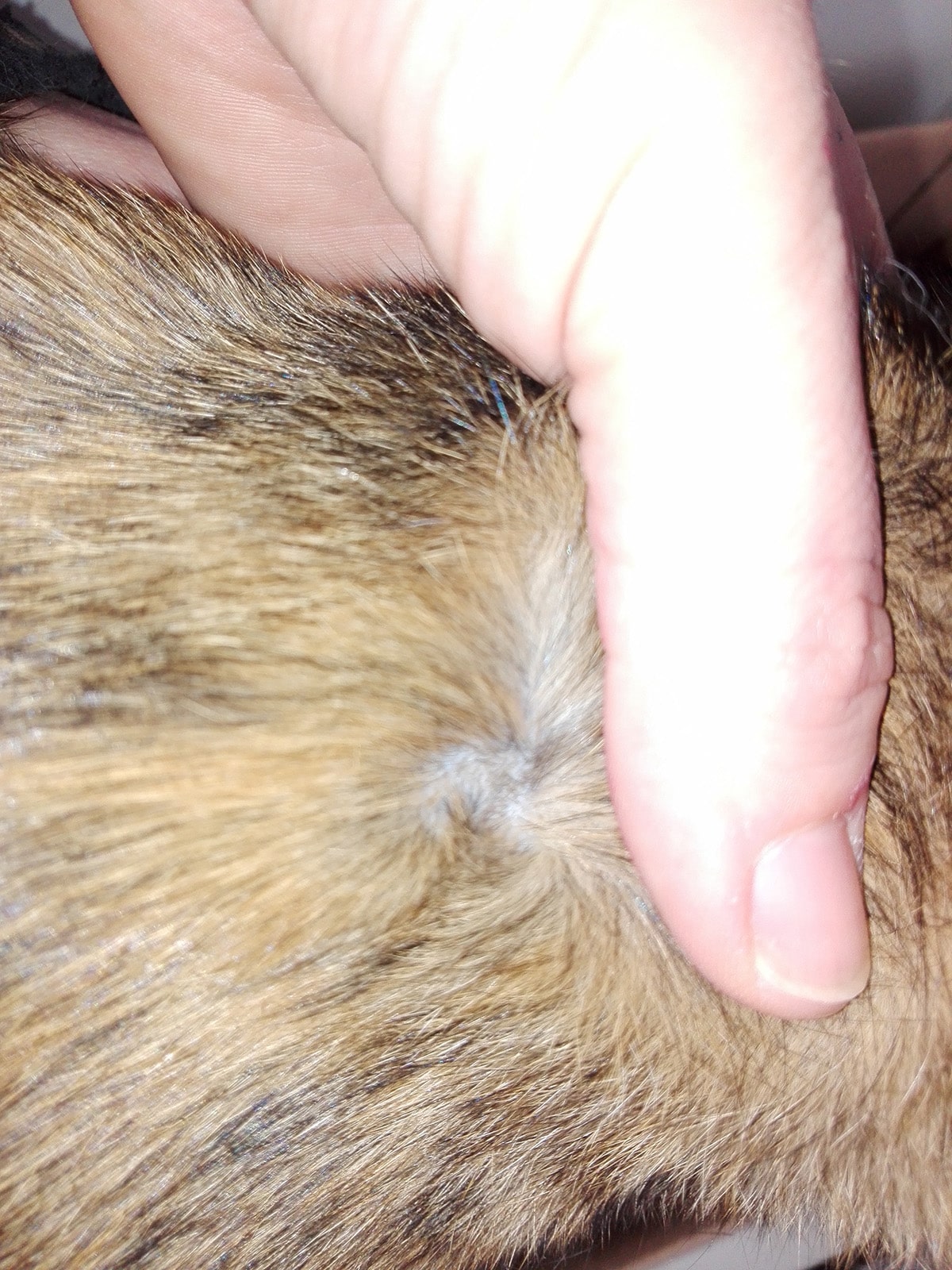
On March 1, the lesion appeared much smaller; a few erythematous foci remained in the center of the lesion, erythema and crusts at the edge had disappeared, and coat regrowth was already noticeable.
After 40 days, the lesion no longer had crusts; only dandruff-like scales were visible on the skin at the hair base, and the coat was growing back strongly.
After 44 days, the lesion was completely healed with no skin alterations, covered by growing coat.
video interview clinical case

Attached photographic material:


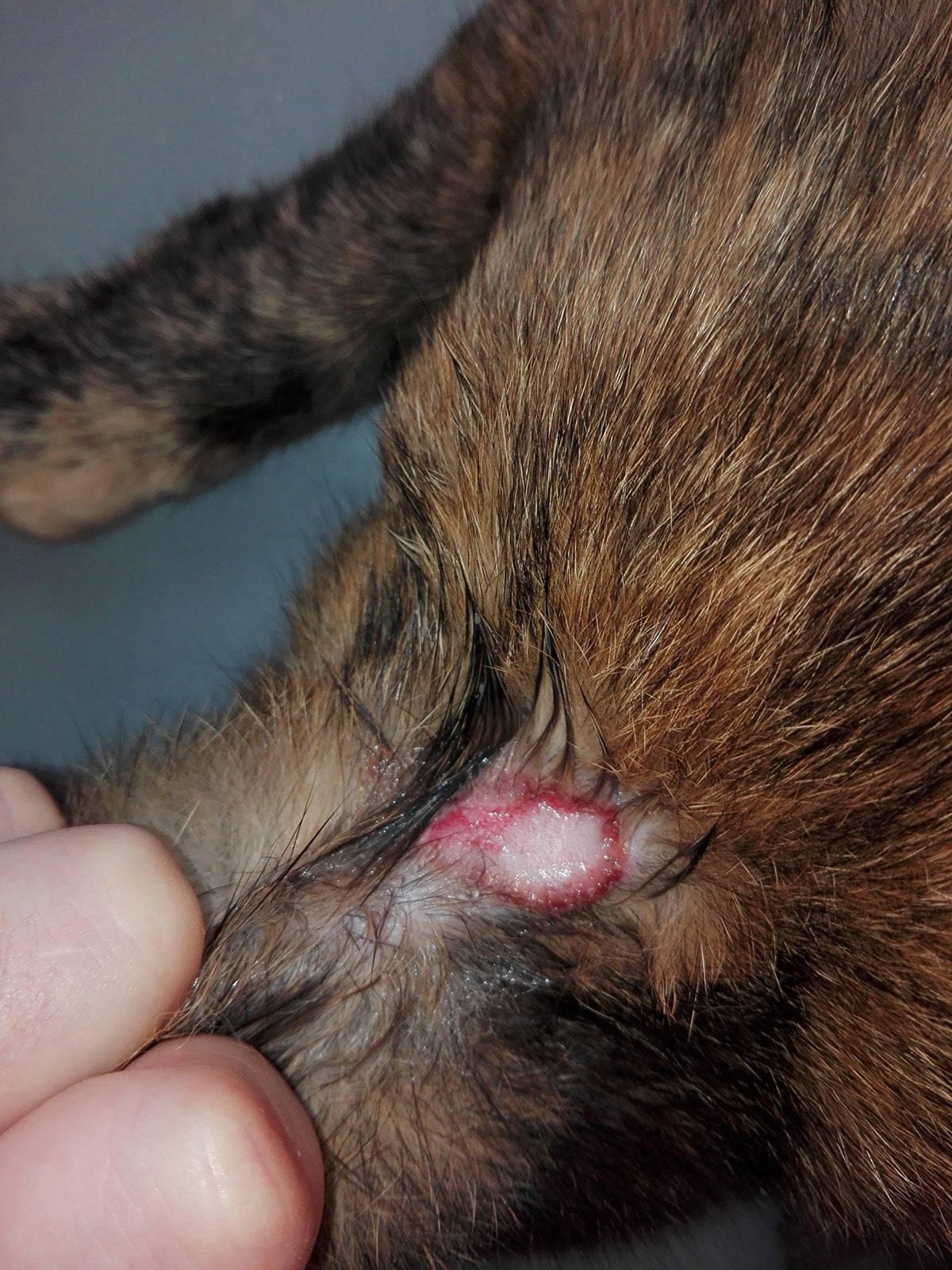
Aloeplus Case Studies - Cat with mycosis - photo 1 from 17-02-2018
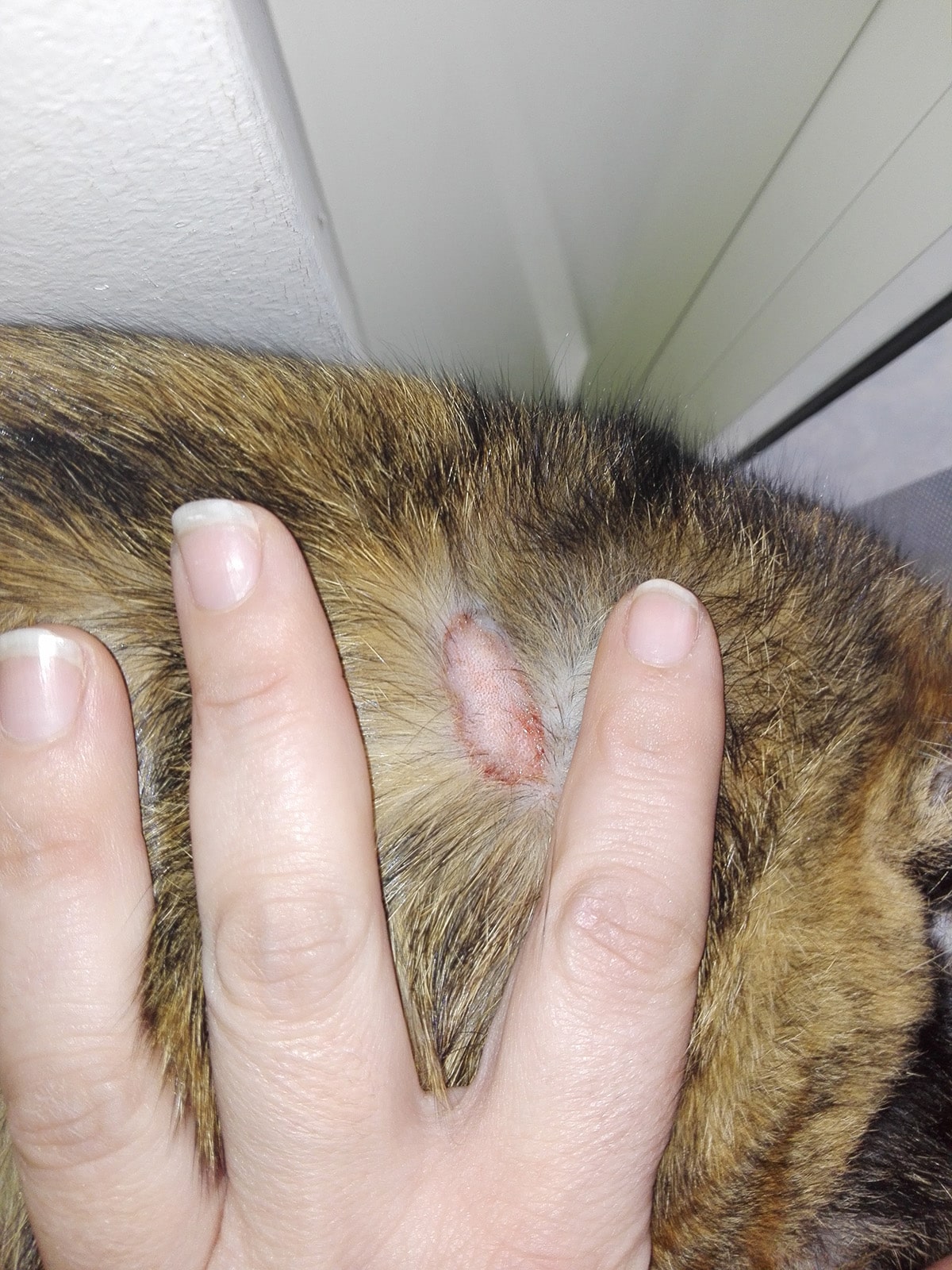
Aloeplus Case Studies - Cat with mycosis - photo 2 from 21-02-2018
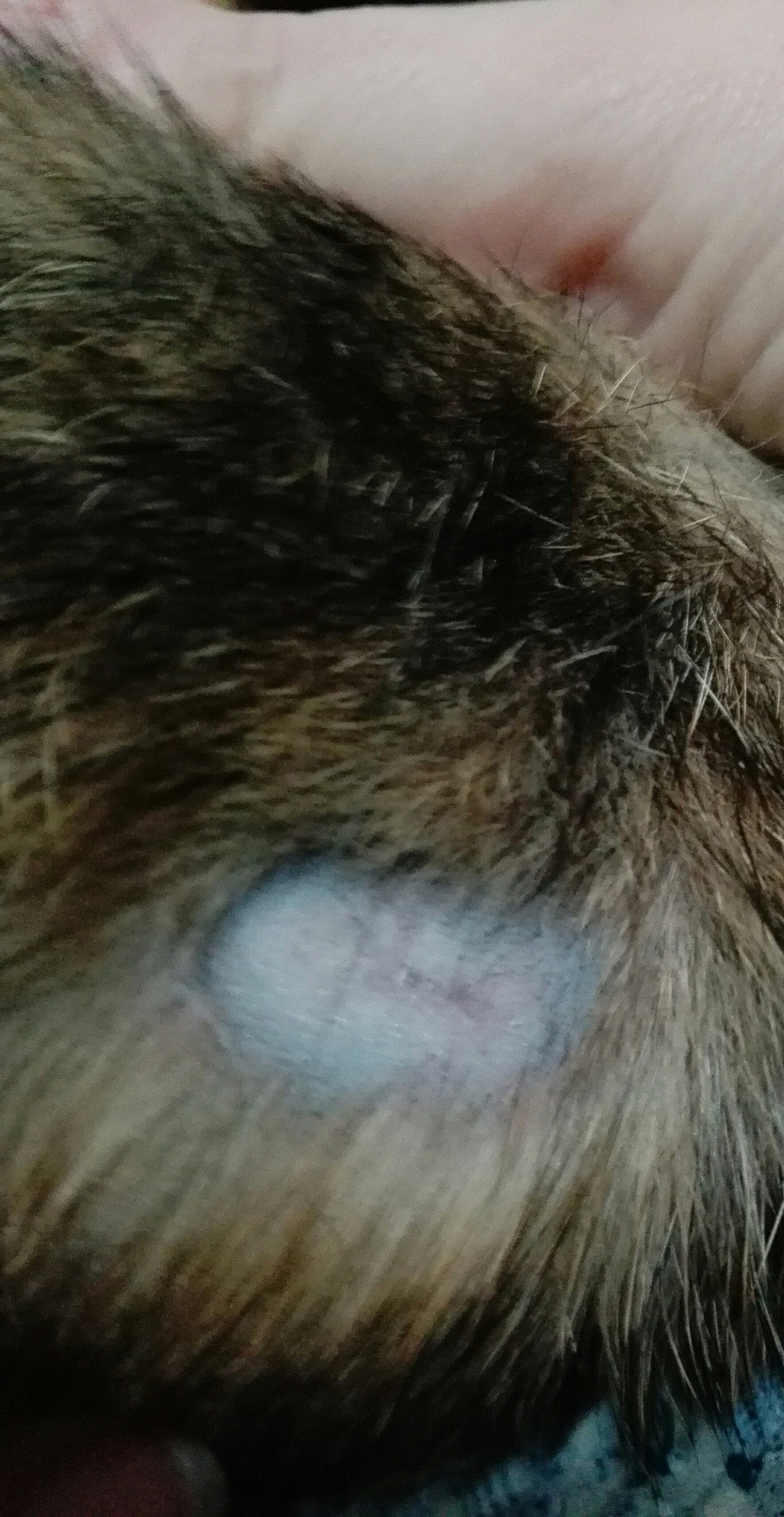
Aloeplus Case Studies - Cat with mycosis - photo 3 from 03-01-2018
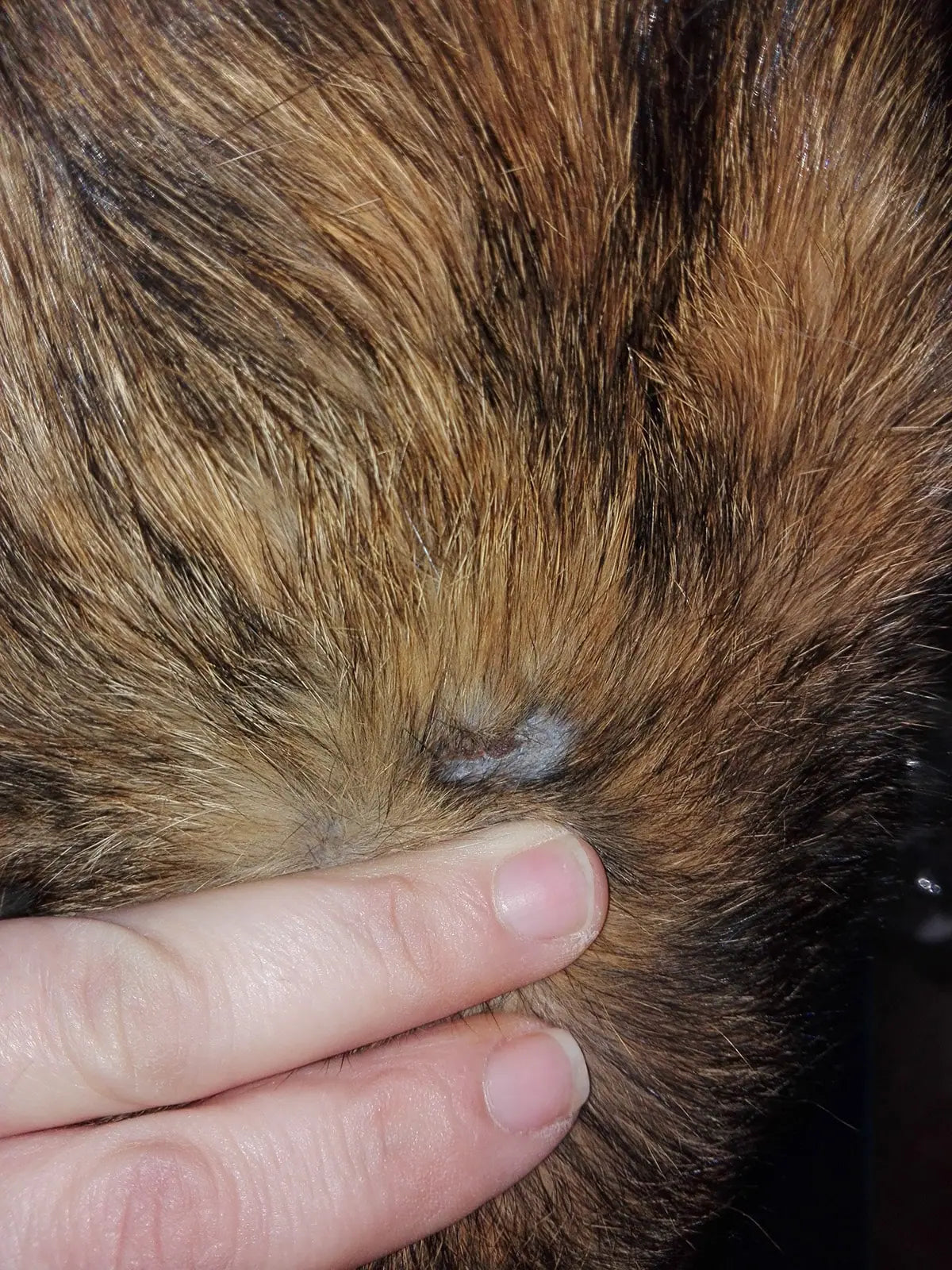
Aloeplus Case Studies - Cat with mycosis - photo 5 from 23-03-2018
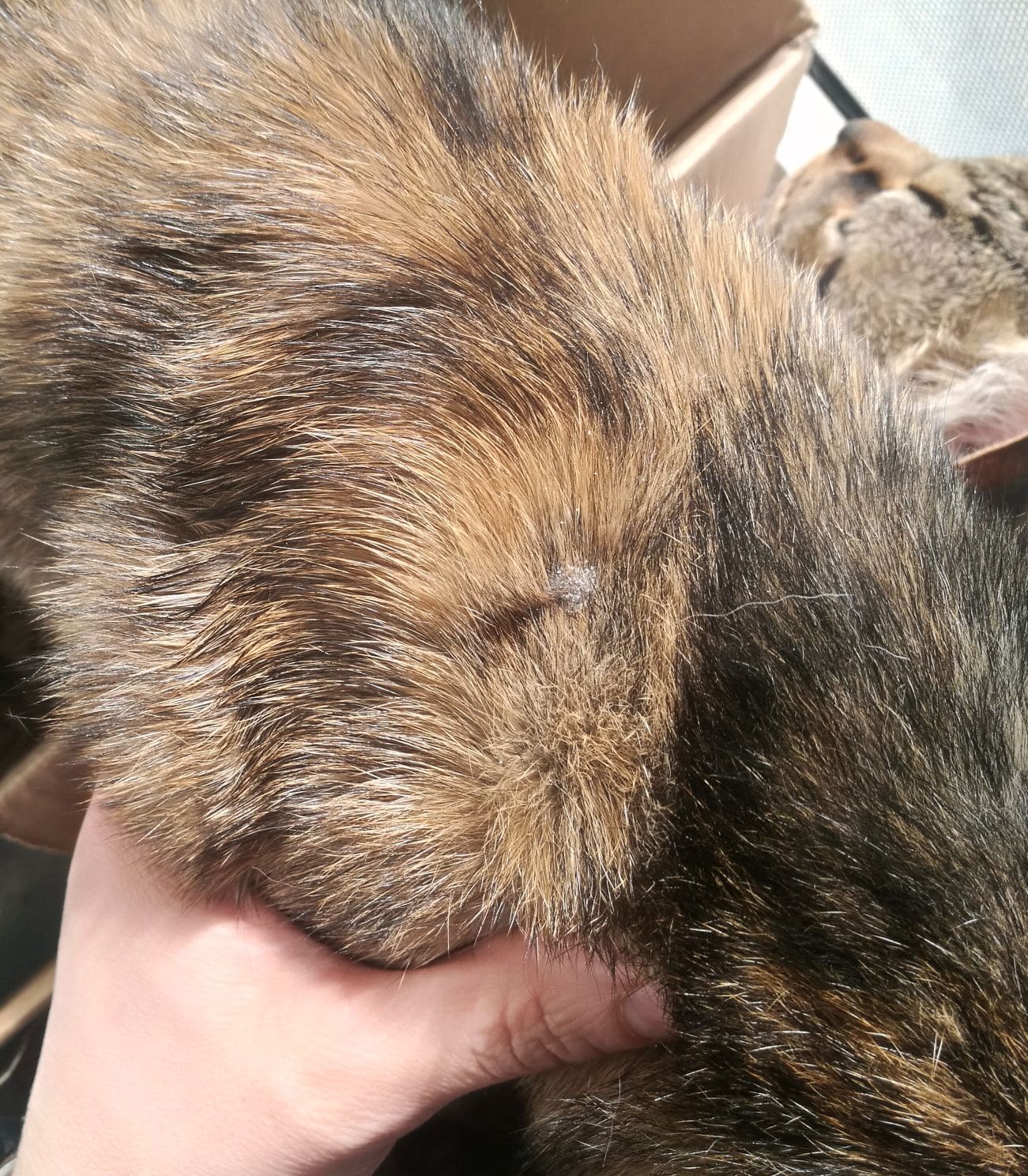
Aloeplus Case Studies - Cat with mycosis - photo 6 of 31-03-2018
Aloeplus® products used:


Do you want to know which Aloeplus® products are best suited for your four-legged friend?
CHAT WITH LEO
Our wellness expert for dogs and cats will guide you step by step in choosing the most suitable product. If you still have doubts or questions, you can write to us on WhatsApp
Click here to chat with LEO