

Cat with Flea Allergy Dermatitis (FAD)

Species and breed
European cat

Diagnosed condition
DAP that caused 3 licking lesions located on the underside of the thigh, shoulder, and elbow.

Name
Mila

Aloeplus products used and dosage
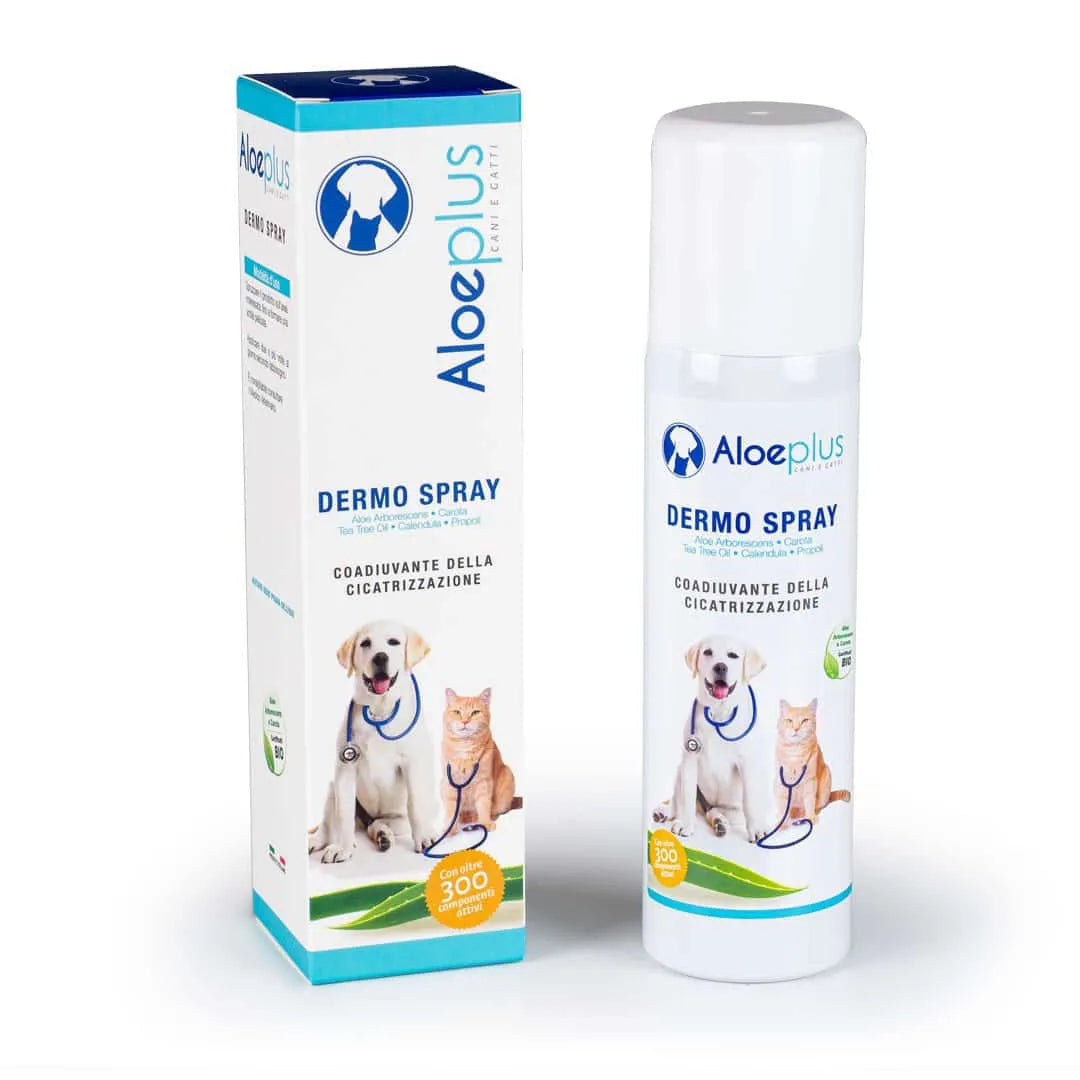
Aloeplus® Cicatril Pet (Dermal spray)
2 applications daily
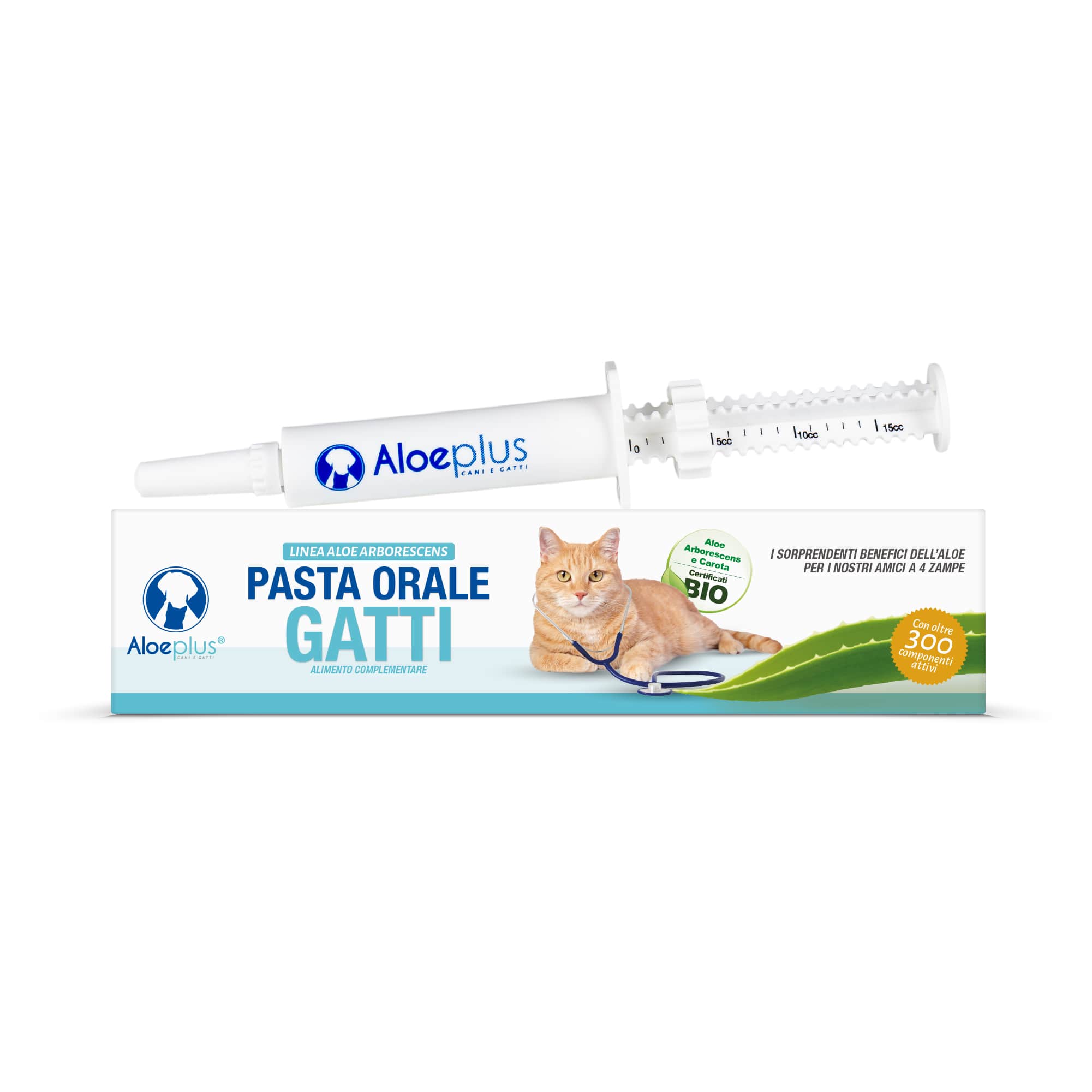
Aloeplus® Oral Paste for Cats
3 ml per day

Age
6 years

Veterinarian
Dr. Cristina Calabria

Other products used
None.

Clinic
The veterinary clinic “From 0 to 4 Paws” – Marigliano (Na)
Insight into the diagnosed condition:
Flea allergy dermatitis (FAD) in cats is a common allergic and itchy disease in Italy due to the warm and humid climate. It can cause intense itching, scratching lesions, hair loss, moist sores, and severe skin damage. This condition often appears during the autumn and winter months as flea populations increase and their life cycle continues in the home environment. The cause of flea allergy dermatitis is an abnormal allergic response of the animal’s immune system to certain components of flea saliva released during the bite. Clinical signs usually appear suddenly, especially in animals with “few fleas.” It seems that heavily infested animals accustomed to living with fleas may develop a kind of “resistance” to the bite.
The most common clinical sign is intense itching, especially in the lumbar region, at the base of the tail, on the abdomen, and on the inner thighs. Due to intense licking and scratching caused by the itching, the skin in these areas becomes severely inflamed. Secondary bacterial infections with pus, crusts, and hair loss may then develop.
Diagnosis is mainly based on the clinical picture, although fleas are not always found. It is easier to find flea droppings, which appear as small black specks.
Let’s read Dr. Calabria’s report on this clinical case:
Detailed report
Mila is a European cat on a commercial diet and lives with other cats. She was brought in for examination on February 16 due to three licking lesions located on the left thigh, shoulder, and elbow. The owner initially indicated the use of sanitizing wipes as the cause; these wipes were used for the first time but were not rubbed over the entire body. Parasite prevention was not followed.
Following a normal general physical examination, I performed a negative trichogram and a positive Scotch test for flea feces.
Based on the dermatological examination, I diagnosed FAD and started treatment with Aloeplus Dermo Spray and oral paste.
After 5 days, a follow-up visit showed that the lesions on the thigh were no longer red but only hairless.
On March 31, after the last visit, the cat was declared clinically cured; the generalized itching was controlled, so the skin on the thigh, shoulder, and elbow was intact and the coat had thickened.
video interview clinical case

Attached photographic material:


Aloeplus Case Studies - Cat with DAP - Mila elbow photo 1-16-02-2018.jpg

Aloeplus Case Studies - Cat with DAP - Mila thigh plate photo 1 16-02-2018

Aloeplus Case Studies - Cat with FIP - Mila thigh plate photo 2 21-02-2018

Aloeplus Case Studies - Cat with DAP - Mila shoulder and elbow photo 2 21-02-2018

Aloeplus Case Studies - Cat with DAP - Mila thigh plate photo 3 31-03-2018

Aloeplus Clinical Cases - Cat with DAP - Mila elbow - photo 3-31-03-2018.jpg
Aloeplus® products used:


Vuoi sapere quali prodotti Aloeplus® sono più indicati per il tuo amico a 4 zampe?
CHATTA CON LEO
Il nostro esperto di benessere per cani e gatti ti seguirà passo passo nella scelta del prodotto più indicato. Se hai ancora dubbi o domande puoi scriverci su whatsapp
Clicca qui per chattare con LEO