When a cat often gets sick, has periods of fatigue, dull fur, or recovers slowly after stress, the question is always the same: are there really useful natural remedies for a cat's immune defenses, or is there a risk of relying on generic solutions? The most accurate answer is this: yes, valid natural supports exist, but they only work if included in a concrete strategy, built around the individual animal and its health condition.
When a cat's immune defenses need support
A cat's immune system is not an on/off switch. It is a delicate balance that can be affected by age, nutrition, stress, convalescence, changes in environment, and the presence of chronic disorders. An elderly cat, a kitten, a subject going through periods of intense stress or undergoing demanding therapies may need targeted support.
The signs are not always obvious. Sometimes recurring episodes of malaise are noticed, increased sensitivity to seasonal changes, fluctuating appetite, reduced vitality, or more fragile skin. In other cases, the warning sign is a slow recovery after an illness or after a period when the cat ate little and poorly.
Here realism is needed. No natural remedy replaces a veterinary visit when there are persistent symptoms, weight loss, fever, vomiting, diarrhea, or recurring infections. The point is different: working well on prevention and daily support can make a difference.
Natural remedies for a cat's immune defenses: where to start
Talking about natural remedies for a cat's immune defenses only makes sense if you start from the basics. The first immune support is adequate, complete, and well-tolerated nutrition. A cat that eats disorderly, with poor intake of functional nutrients, will hardly maintain an efficient immune response over time.
The gut also matters much more than you might think. A balanced intestinal flora helps support the body's natural defenses. For this reason, in more sensitive subjects, the veterinarian may consider a nutraceutical support that works not only on the immune response but also on the general balance of metabolism and intestinal mucosa.
Then there is the issue of stress, often underestimated in cats. Moves, arrival of other animals, altered routines, noises, travel, or even simple domestic changes can affect immune well-being. Cats tend to somatize silently. For this reason, a serious natural approach does not only look at the product but at the whole set of conditions in which the animal lives.
The role of functional natural ingredients
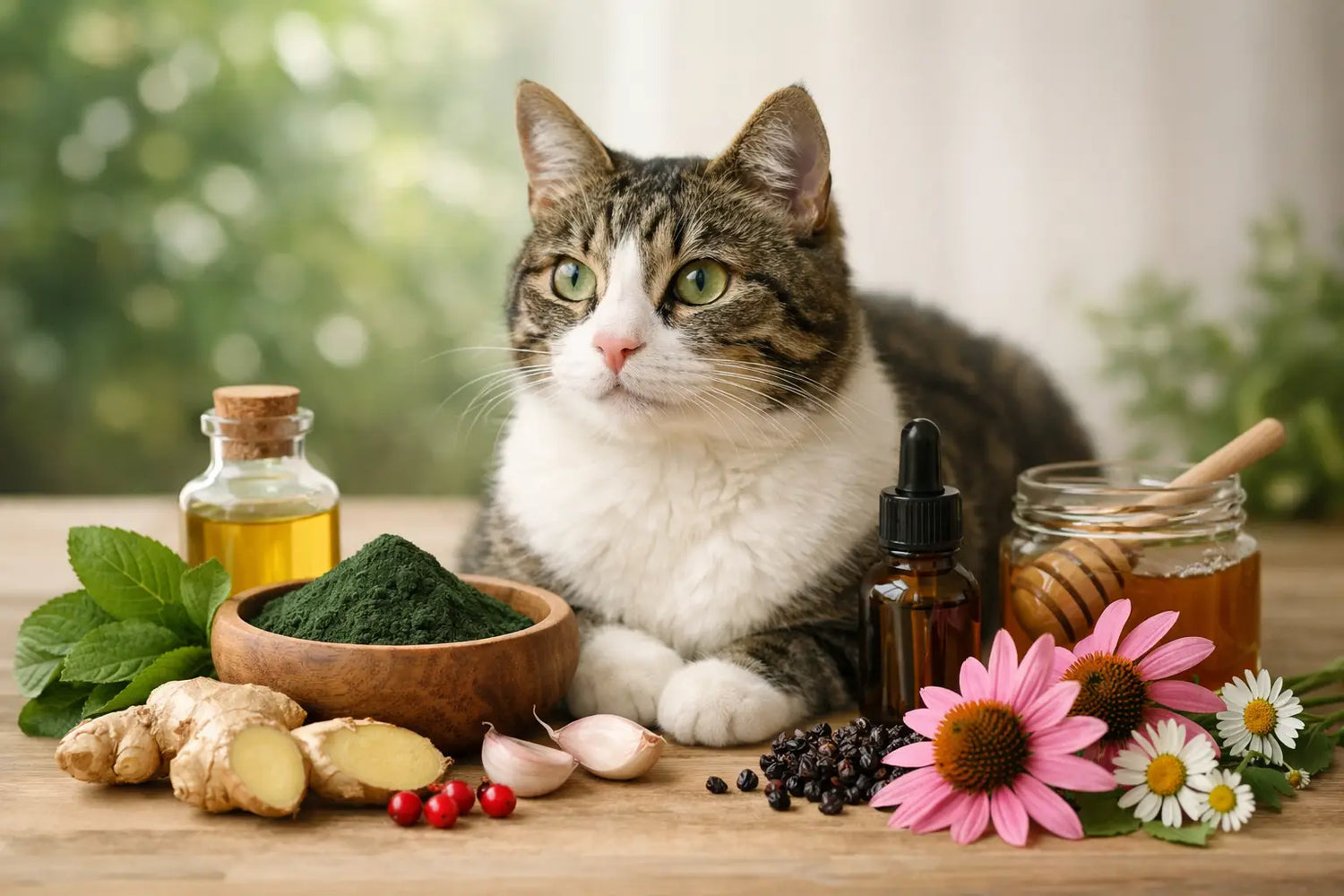
Not all natural ingredients are the same. Some have an interesting profile because they provide substances useful for maintaining general well-being and the body's physiological response. In this context, Aloe Arborescens and carrot represent a particularly interesting combination when included in formulations designed for veterinary support.
Aloe Arborescens is valued for the presence of natural components that can support the body's balance, while carrot naturally provides nutrients and antioxidant compounds useful to protect cells from oxidative stress. This aspect is important because a body under stress, weakened, or engaged in recovery can benefit from targeted and well-formulated nutritional support.
The difference, however, is always made by the quality of the formulation. Good raw materials but poorly treated lose part of their potential. For this reason, when choosing a natural support, it is advisable to opt for veterinary products developed with processes that preserve active principles and that are created for specific use on dogs and cats, not roughly adapted solutions.
What to expect from natural remedies for a cat's immune defenses
Here it is useful to be clear. Natural remedies for a cat's immune defenses are not a shortcut and do not promise miracles in a few days. They can be a concrete help in supporting the animal's biological terrain, promoting a better overall response, and accompanying the cat through delicate phases, but timing and results depend on the cause of the problem.
If the drop in defenses is related to convalescence, a more orderly recovery of energy and appetite can be observed. If the cat is elderly or particularly sensitive to seasonal changes, the benefit can translate into greater stability over time. If, instead, there is an ongoing undiagnosed pathology, natural support alone is not enough.
This is the point that distinguishes serious advice from superficial advice. Natural works better when used in the right context, with correct dosages, continuity, and realistic expectations.
How to choose a natural support without mistakes
The first criterion is veterinary designation. A product designed for animals takes into account tolerability, administration methods, and concentration of active ingredients. The second is composition: better clear formulas, with few well-selected functional ingredients, rather than confusing blends that rely only on marketing effect.
Processing also matters. A proprietary cold technology, like the HDR method applied to formulations based on Aloe Arborescens and carrot, is born precisely to preserve the integrity of natural active principles. This translates into support more consistent with the nutraceutical goal: helping the cat's body without depleting the ingredients during production.
Finally, consider practicality. If the cat refuses the product, continuity breaks and the result weakens. The best solution is the one the owner can administer regularly, without turning every day into a struggle.
Cases where natural support is most useful
Not all cats have the same need. Generally, immune defense support can be more interesting for elderly cats, debilitated subjects, during seasonal changes, after periods of stress, in convalescence, or in the presence of a general loss of tone.
Cats living in environments with multiple animals, or those who have already shown some fragility during times of change, can also benefit from targeted support. Not because they are sick, but because they have a more delicate balance to protect.
Nutrition, routine, and environment: natural works better this way
Those looking for natural remedies often immediately think of supplements. This is understandable, but there is a common mistake: expecting too much from a product and neglecting everything else. A stressed, sedentary cat, poorly fed or exposed to continuous environmental changes will hardly have full benefit.
To truly support the immune system, a stable routine is needed. Regular meals, adequate hydration, quiet spaces, clean litter, playtime compatible with the cat's character, and reducing sources of stress are part of the work. Natural support then becomes an effective piece, not an isolated attempt.
It is the same logic used to approach long-term well-being. You don't chase the symptom of the day, but build a stronger and more stable general condition.
The most serious approach is the personalized one
Every cat has a different story. There is the elderly cat who needs continuity, the young but very stress-sensitive one, the one recovering tone after a difficult phase. For this reason, there is no single valid scheme for all.
The best choice is always the one that combines the owner's observation, veterinary evaluation, and quality nutraceutical support. In this scenario, targeted natural formulations, based on ingredients like Aloe Arborescens and carrot, can offer concrete help because they work on the physiological support of the body with a respectful and daily approach.
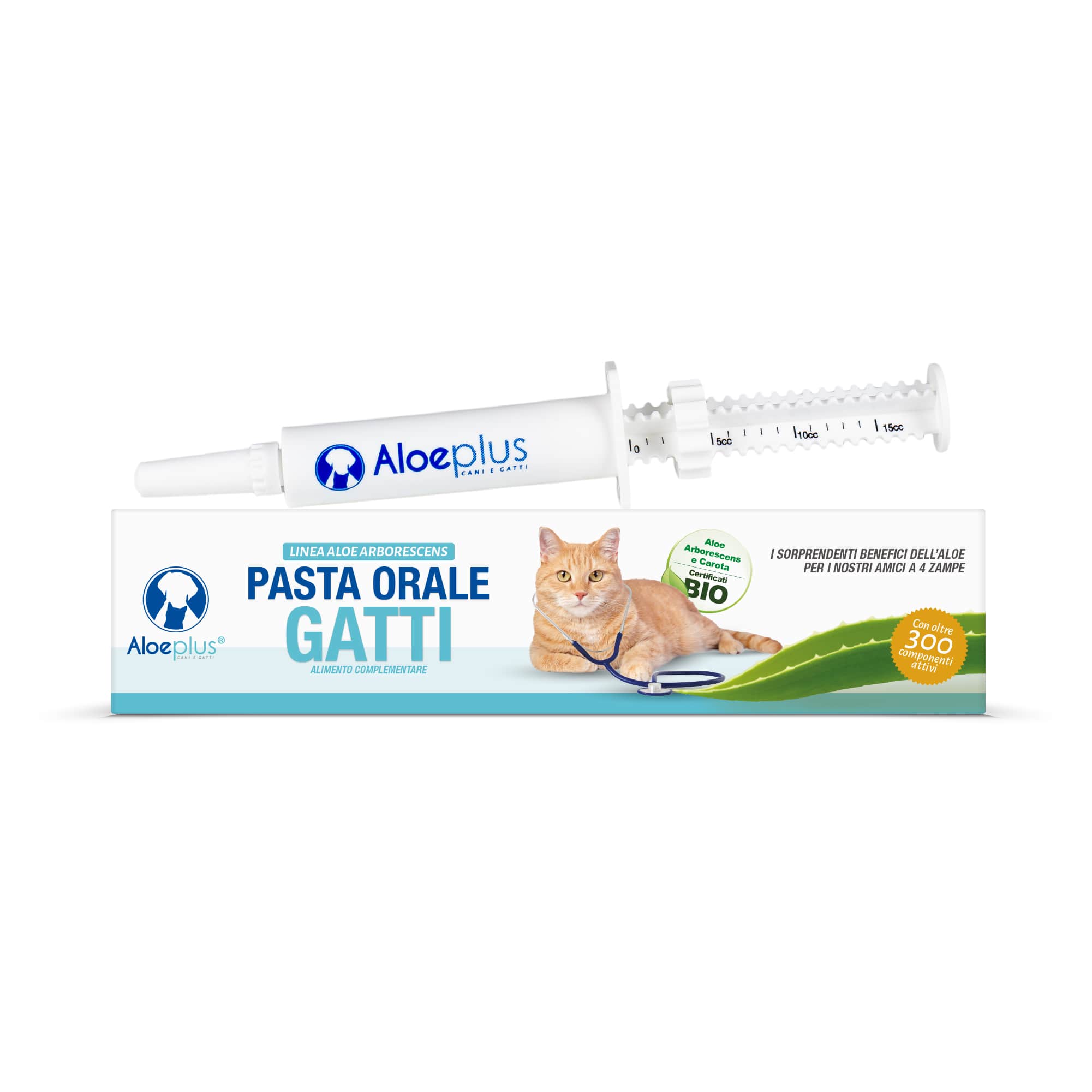
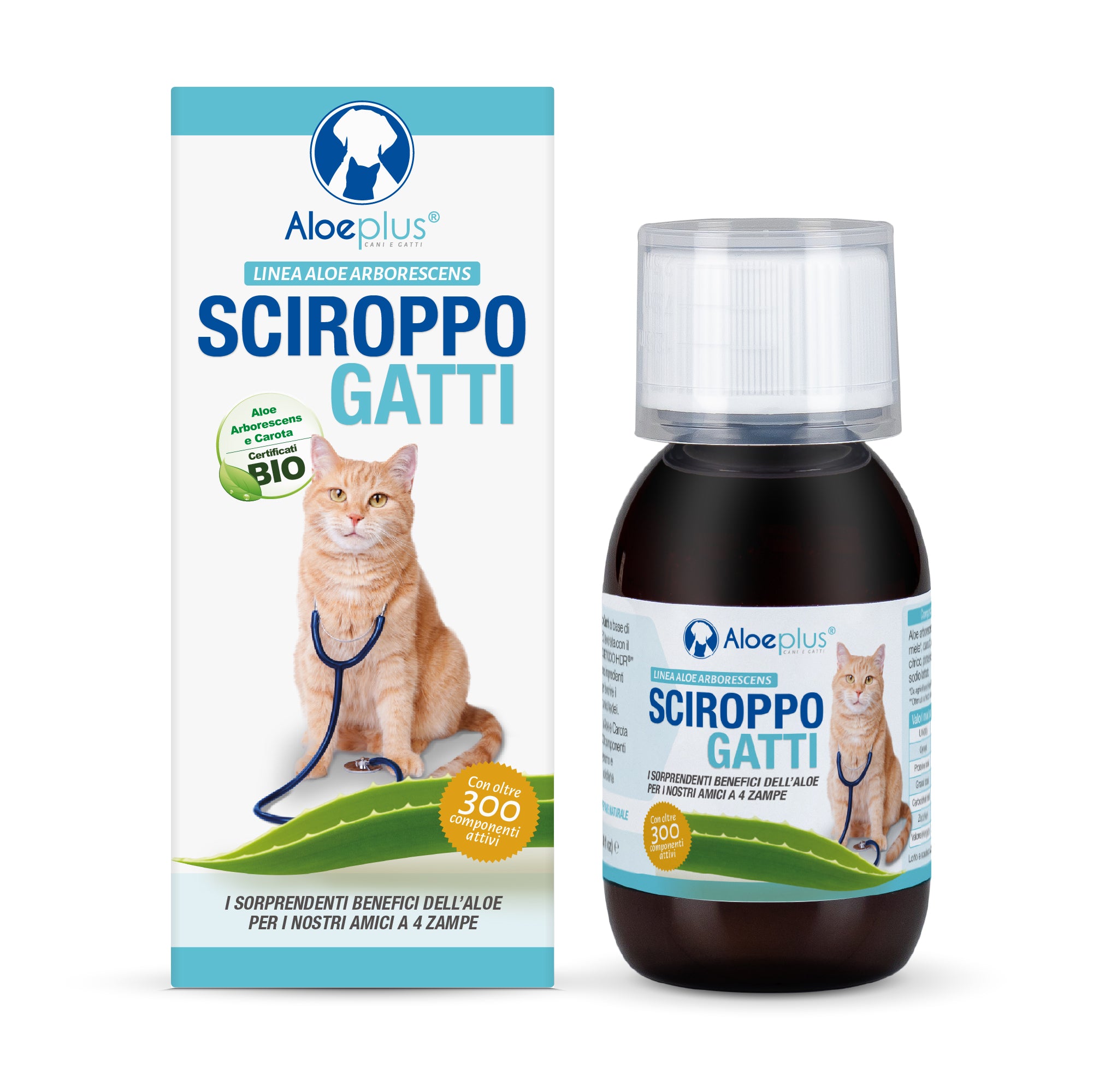
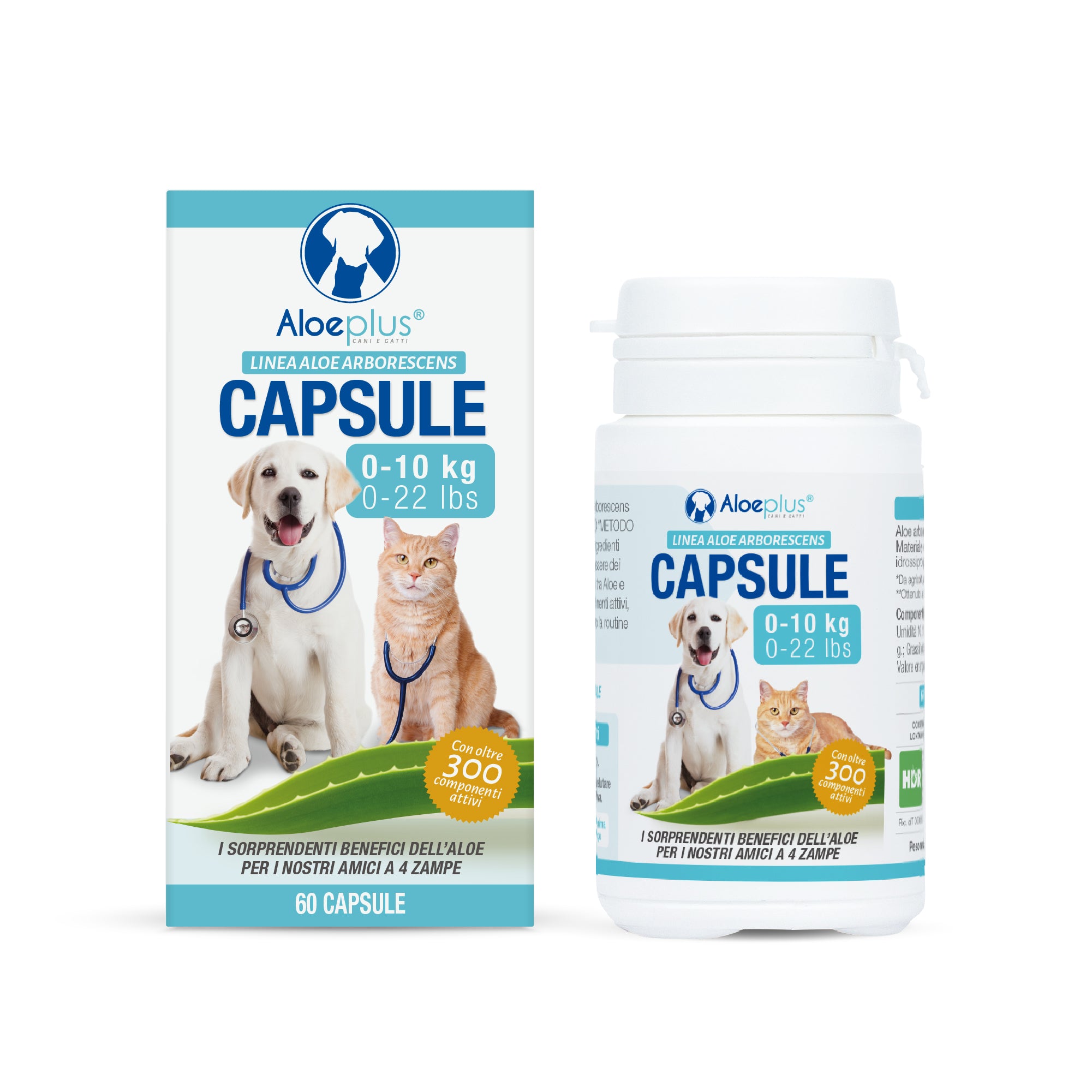
Aloeplus Dogs and Cats fits exactly into this vision: not a generic product, but a specialized proposal born to meet real pet needs with natural ingredients, veterinary formulation, and attention to raw material quality.
If your cat seems more fragile than usual, don't wait for the problem to become obvious. Watch for signs, carry out necessary checks, and choose a serious natural support designed to accompany them every day with effectiveness and common sense. Often the difference is not in doing a lot, but in doing the right thing consistently.