
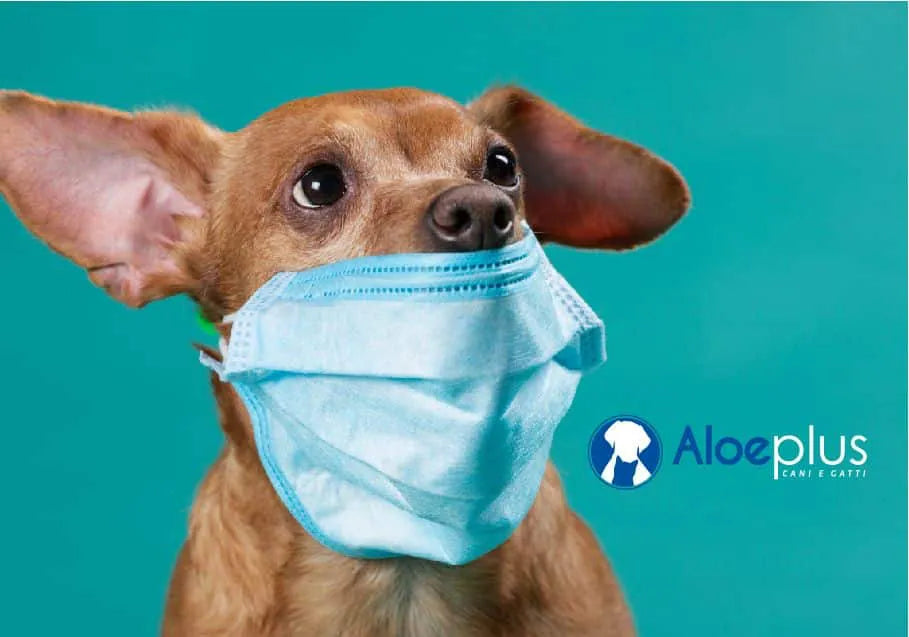
We are living through days of anxiety and chaos related to the fear of the Coronavirus.
While the ministry's guidelines regarding human behavior are clear, the information concerning pets is often contradictory and unclear.
This confusion leads to irresponsible behavior; data even report thousands of dogs abandoned by their owners out of fear of contagion.
For this reason, we decided to ask some questions to Dr. Daniela Di Scala, Veterinarian and Medical Director of the “Friends of Animals” Veterinary Hospital in Latina, to clarify the situation and prevent reckless actions that could compromise our health and that of our pets.
Good morning, Doctor, and as always, thank you for your availability. We would like to ask you some questions regarding the Coronavirus emergency we are currently experiencing.
Is the coronavirus dangerous for our four-legged friends?
In Veterinary Medicine, many cases of coronavirus are known. These viruses, like all viruses, tend to attack a single species. However, coronavirus has a particular characteristic: under certain conditions, it can jump species. At the moment, there is no scientific evidence showing the transmissibility of Covid-19 coronavirus from humans to other animals. The only dog that tested positive in Hong Kong is still in good health.
Can dogs and cats carry and transmit the virus?
It is highly unlikely that a pet can be a carrier of the virus, as the virus is eliminated through bronchial secretions and survives very little in the environment.
It is also true that, in an epidemic situation, the Coronavirus could possibly pass from humans to dogs or cats. But there is no evidence that pets can act as a “vehicle.” It is extremely difficult for the virus to reach an infectious level in pets and thus be transmitted to other animals. However, we all need to understand the delicate current situation and remember that respecting our relationship with pets also means using common sense and following hygiene rules. This does not mean demonizing the animal, but respecting it just as we must respect and protect people. For this reason, it is recommended to wash hands frequently with soap and water or use alcohol-based solutions after contact with animals and to clean our pets’ paws after walks.
If a person is infected, should they avoid contact with pets?
There is no valid reason why infected people should avoid contact with their pets.
What should be done if an animal needs care and has been in contact with an infected person?
If an animal needs care and has been in contact with infected people, it is best to contact your veterinarian and agree on the visit procedures based on urgency. Are there special precautions to take with animals? Animals naturally tend to lick everything and obviously step on everything with their paws. This should not prevent us from taking them for walks or to the park, but we should also apply basic hygiene rules to them and clean our dogs’ paws after walks. If our cats go outside, the same common-sense and responsibility recommendations apply to them as well.
What advice would you give to dog and cat owners?
The first rule is to stay calm!
Our lifestyles are undergoing significant social changes. Our relationship with our pets should not change, but we must change our habits. Hygiene rules must be respected, and common sense should prevail over everything else. One last recommendation I would like to give: dog and cat owners who belong to risk categories for hospitalization or isolation should contact one or more trusted people who can take care of their pets if necessary.