When a cat stops eating enthusiastically, chews only on one side, or approaches the bowl and then walks away, the problem is often not the taste of the food. A cat’s oral well-being affects appetite, behavior, and quality of life much more than it seems, and early signs often go unnoticed until the discomfort turns into real pain.
The point is simple: cats tend to hide their discomfort. That’s why an inflamed mouth, red gums, or plaque buildup can go on for weeks before the owner notices. Early intervention means avoiding suffering, preserving normal eating habits, and reducing the risk that a local problem turns into a more complex condition to manage.
Cat oral well-being: why it shouldn’t be underestimated
Oral health isn’t just about the teeth. It involves gums, mucous membranes, tongue, breath, saliva, and even the calmness with which the cat experiences mealtime and cuddles. A cat with mouth pain can become more irritable, isolate itself, stop grooming properly, or refuse facial contact.
Common issues include plaque and tartar, gingivitis, stomatitis, persistent bad breath, and irritation of the oral mucosa. In some cats, the problem is mild and manageable with a good daily routine. In others, especially if there is individual predisposition or a strong inflammatory response, more structured support and veterinary monitoring are needed.
Veterinary literature confirms that periodontal disease is one of the most common conditions in adult small animals. The key fact for cat owners is this: even when there are no obvious symptoms, oral inflammation may already be present.
Signs your cat may have oral discomfort
Cats don’t always open their mouths or allow easy examination. That’s why it’s useful to observe indirect changes. Stronger-than-usual bad breath is often one of the first warning signs. Then increased salivation, difficulty picking up kibble, preference for wet food, loss of appetite, or small whimpers while chewing may appear.
Behavior also matters. If the cat rubs its face with a paw, shakes its head while eating, drops food, or suddenly becomes more withdrawn, it’s best not to wait. In more obvious cases, you may notice red gums, bleeding, yellow-brown deposits on the teeth, and less grooming of the coat.
Here’s a useful clarification: not all bad odors come from the mouth, and not all oral inflammations have the same cause. Sometimes it’s just plaque. In other cases, infections, chronic stomatitis, immune imbalances, or concurrent diseases are involved. That’s why home observation is important but does not replace veterinary evaluation.
What causes plaque, tartar, and inflammation
Plaque is a bacterial biofilm that deposits on the tooth surface. If not controlled, it tends to mineralize and turn into tartar. At that point, the gum margin becomes more easily irritated and inflammation can deepen. In cats, this progression can be silent but is not harmless.
Diet plays a role but is not the only factor. Mouth conformation, age, individual predisposition, quality of oral hygiene, and overall health also matter. Some cats develop significant problems even with apparently correct routines. Others remain stable longer but show sudden worsening.
That’s why talking about oral well-being means thinking preventively, not waiting for an emergency. A healthy mouth helps the cat eat well, maintain weight, live with less stress, and reduce the risk of chronic inflammation.
How to protect your cat’s oral well-being every day
Prevention works when it’s realistic. Not all cats tolerate tooth brushing, and forcing it can worsen the experience. The best strategy is to build a gradual, respectful, and consistent routine. Even small regular actions are more valuable than occasional interventions when the problem is already advanced.
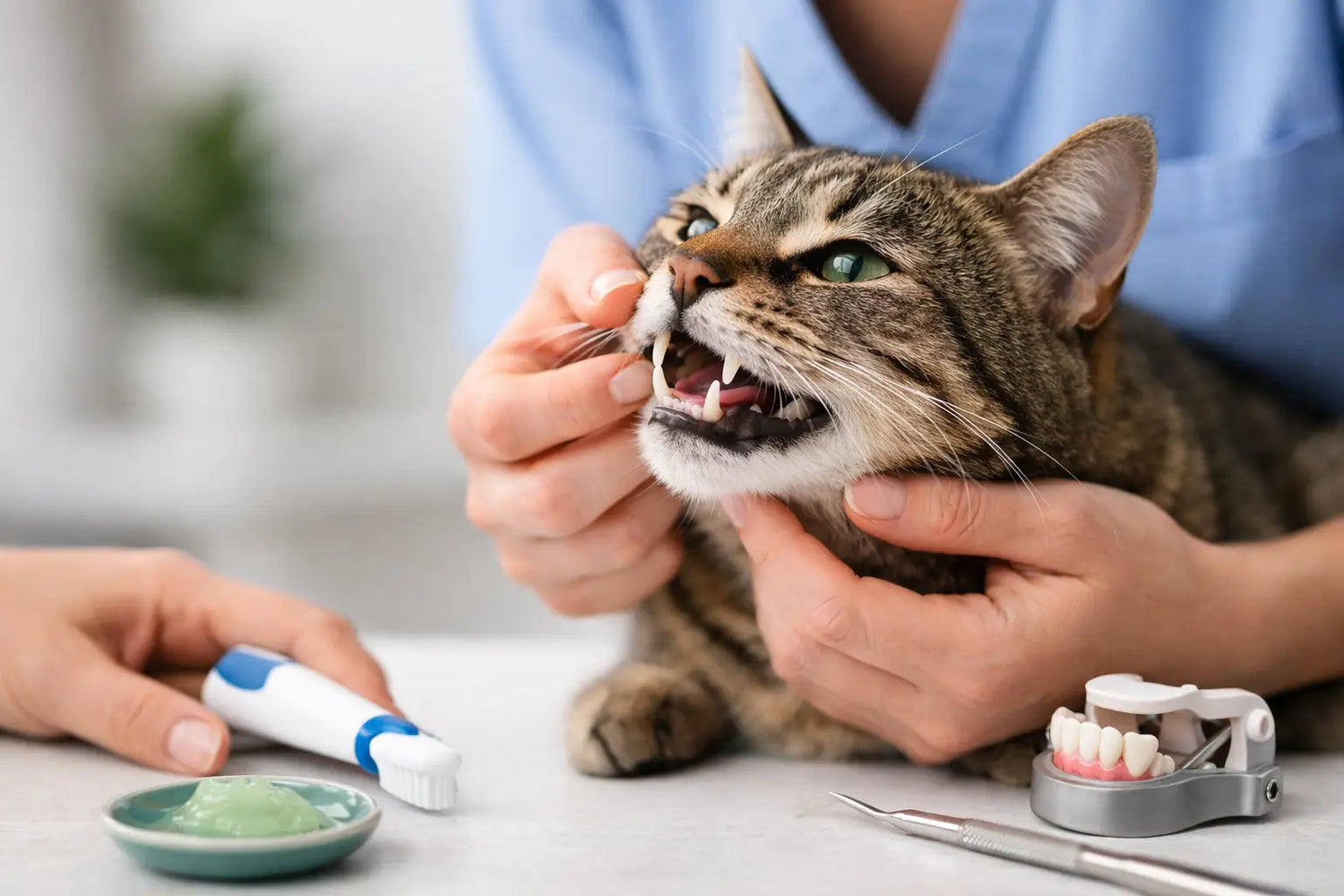
A periodic visual check of the mouth, if the cat allows it, is already a useful first step. Looking at gum color, presence of halos on the teeth, or any redness helps catch early signs. The texture of the diet can make a difference case by case, but alone it’s not enough to ensure good oral hygiene.
When a cat is prone to gum inflammation or shows recurring oral sensitivity, it can be helpful to add a specific support to the routine, formulated for localized use and designed for the delicacy of the mucous membranes. Here, ingredient choice matters a lot.
Natural ingredients beneficial for a cat’s mouth
In oral support, natural substances with soothing, moisturizing, and rebalancing actions are especially interesting when the tissue is irritated and the cat struggles to accept invasive treatments. Aloe Arborescens is one of the most appreciated active ingredients for its ability to promote mucosal well-being, helping to calm irritation and support the natural balance of tissues.
Carrot, rich in functional compounds, also fits well in an approach aimed at mucosal support and daily protection. When these ingredients are processed to preserve their active principles, the result is a concrete aid for a more comfortable mouth, especially in sensitive subjects.
Scientific research on aloe, in both human and veterinary fields, has shown interesting properties in soothing and supporting physiological tissue repair processes. Naturally, not all formulations are the same, and the quality of raw materials and processing methods matter greatly.
When targeted help is needed, not just hygiene
If the cat has red gums, persistent bad breath, or discomfort during meals, simple cleaning often isn’t enough. In these cases, it makes sense to add a specific oral support product designed to act locally and help maintain better mouth conditions between veterinary check-ups.
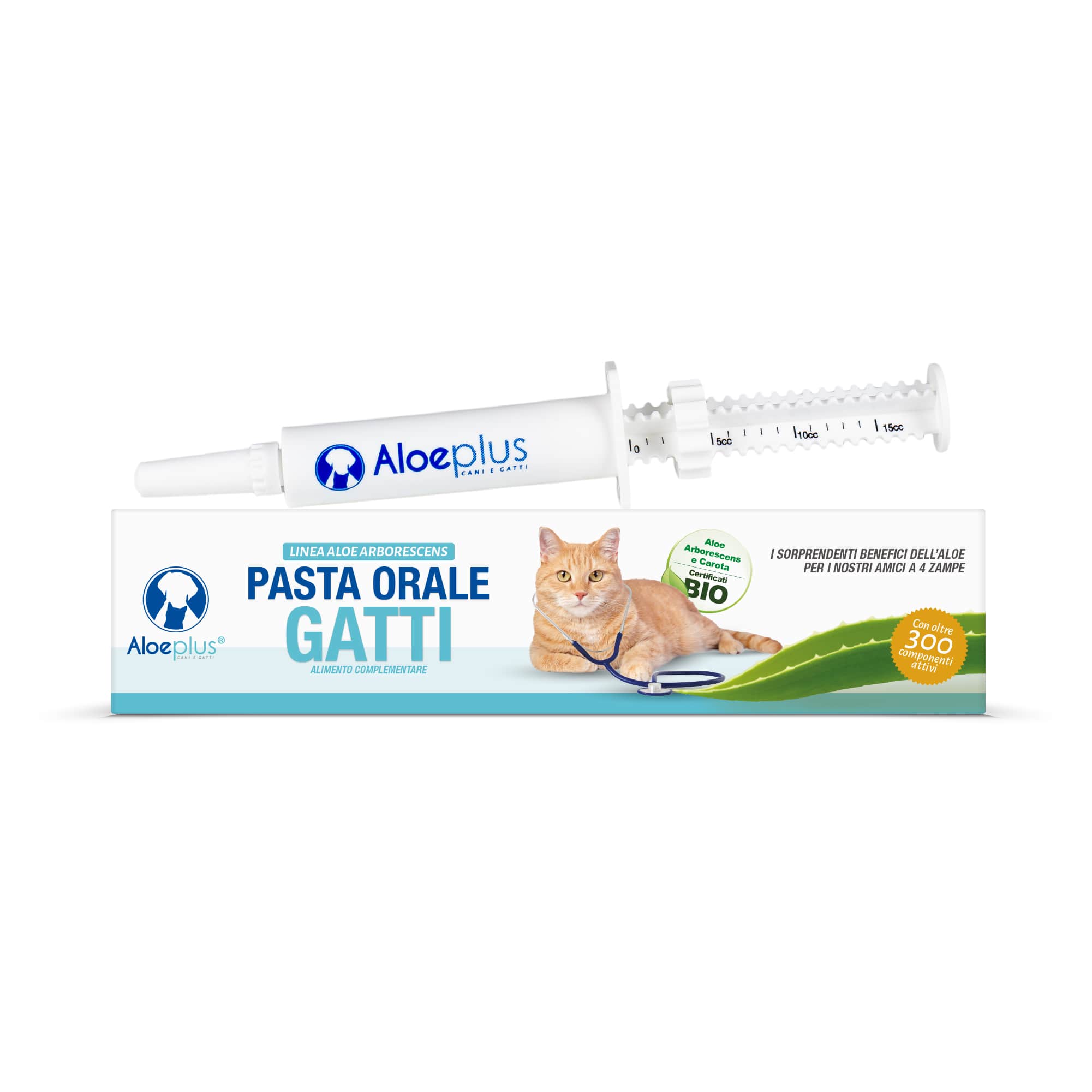
A well-formulated oral gel must be easy to apply, gentle, well tolerated, and aimed at supporting mucosal comfort. This is where a solution based on Aloe Arborescens and carrot can make a difference, combining functional naturalness with a usage rationale consistent with the cat’s real needs.
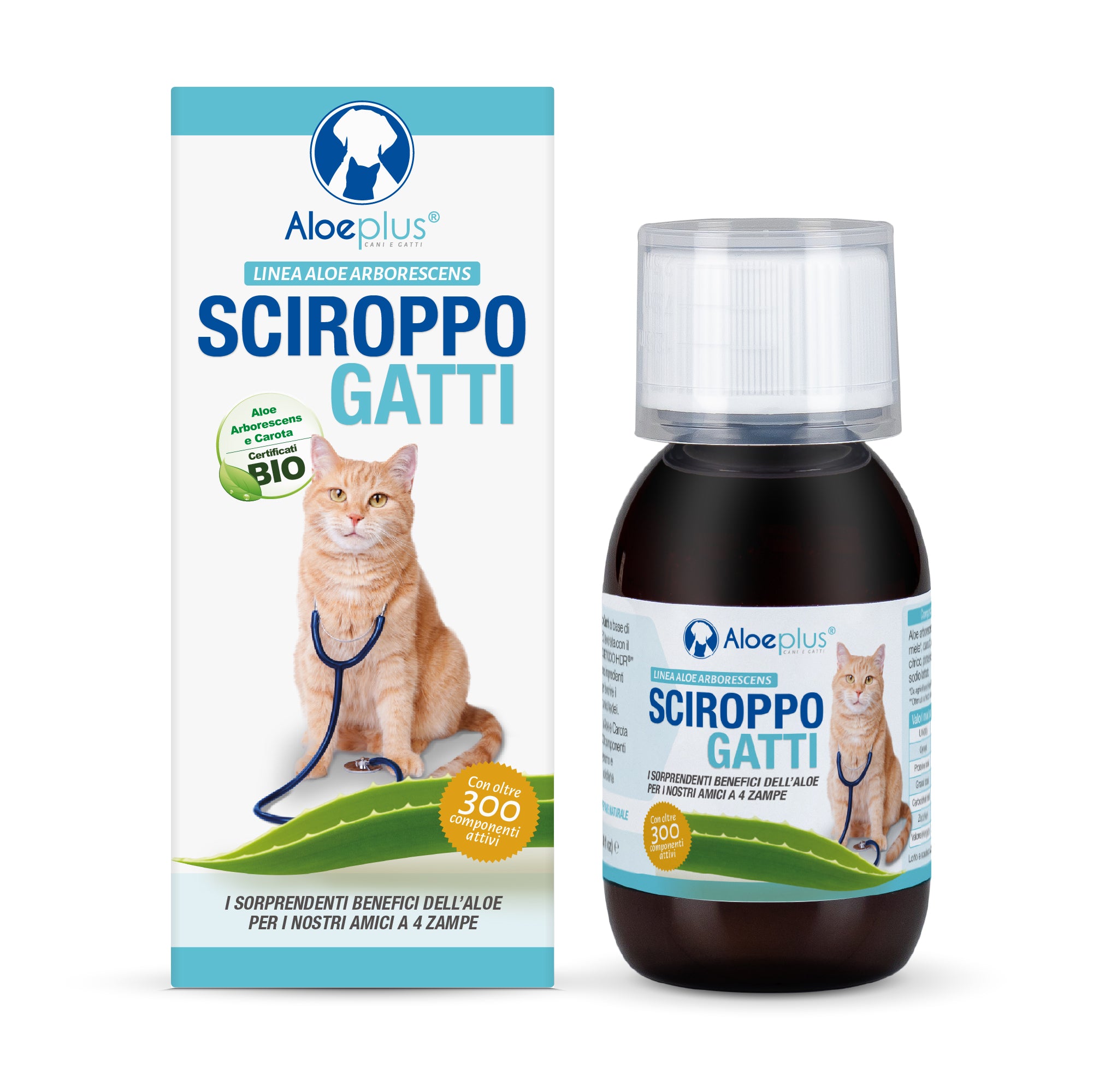
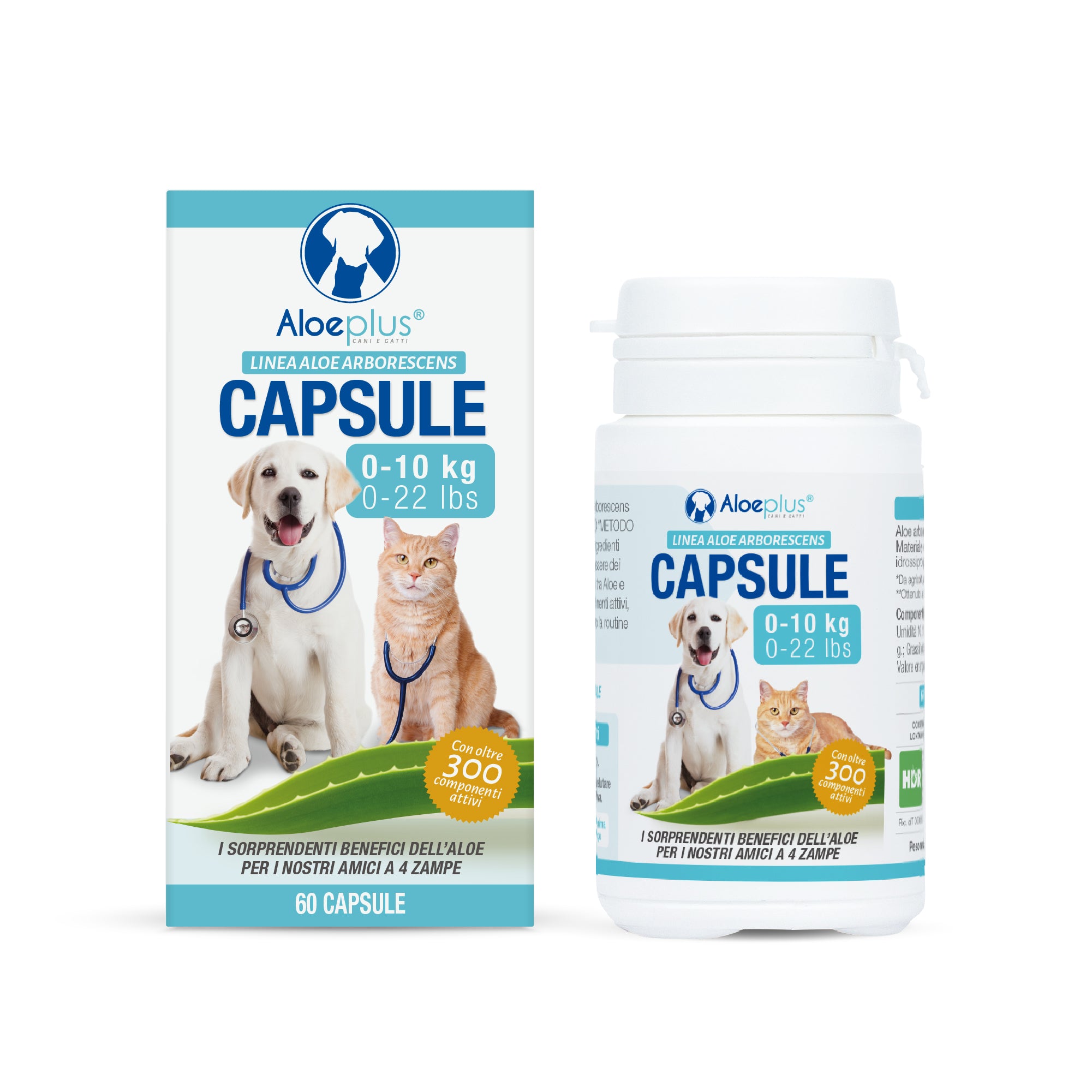
In the Aloeplus Cani e Gatti world, attention to formulation quality comes precisely from this approach: starting from a common problem, like oral discomfort, and offering concrete support with selected natural ingredients processed cold to preserve their activity. For the owner, this means having an additional, practical, and thoughtful tool to integrate into daily care.
When to call the vet without delay
There are situations where it’s not advisable to try managing everything at home. If the cat doesn’t eat, loses weight, has blood in the mouth, excessive salivation, obvious pain, or sudden strong bad breath, a veterinary visit is necessary. The same applies if the mouth looks very inflamed or the cat unusually refuses contact.
In cases of significant stomatitis, lesions, compromised teeth, or suspected systemic diseases, natural support is helpful but does not replace the clinical plan. The real advantage comes from integration: correct diagnosis, therapy when needed, and careful daily management to limit relapses and persistent inflammation.
A simple routine that makes a difference
A cat’s oral well-being isn’t built in a day but through observation, consistency, and the right tools. Checking breath, noticing how the cat eats, periodically examining gums and teeth, and acting at the first signs is the most concrete way to prevent a small discomfort from becoming a serious problem.
If your cat is sensitive, has had episodes of inflammation, or shows discomfort during meals, choosing a natural and targeted oral support can ease daily management and improve its comfort. A cat’s mouth tells a lot about its well-being. Listening in time is already a form of care.